How Emotional (or Not) Were the Vikings?
It's a modern trope today they were unfeeling, but how did they express their emotions?
When my editor sent back the latest round of notes on my upcoming Viking-age novel, one comment made me pause. In reference to my protagonist, he joked, “He cries a lot, doesn’t he?” In a book spanning two years filled with trials, loss, and trauma, my protagonist sheds tears three times. I can see how, from a modern perspective, and given the representation of Vikings in media, a Viking warrior weeping even once might come off as an outpouring of emotion that threatens my readers’ preconceived image of the stoic, iron-willed Northman. And that’s exactly how I want it.
The feedback highlights a fascinating interpretative blind spot in how we view the past. We often project a modern, post-Romantic sensibility onto historical figures, assuming that ancient warriors were silent in their grief or that emotional displays in sagas were literary tropes rather than reflections of lived experience. But if we look more closely at the sources and recent scholarship, we find that human emotion is not easy to pin down, and that what primary sources have told us is still hotly debated.
Why the modern world tends to think of Vikings as emotionless
Our modern perception of the stoic Viking warrior is less a reflection of the 10th century and more a product of the 19th. In these early days of historical discourse, historians created a teleological view of human progress in which modern people were seen as more in control of their emotions than their ancestors. The concept, dubbed by modern historian Barbara Rosenwein in her essay “Worrying about Emotions in History," the Civilizational Grand Narrative, cut two ways. On the one hand, medieval people, particularly Christians, were viewed as childlike, victims of ungoverned emotions, and in need of an external guiding hand such as religion. It was a means to explain the more overt displays of emotion mentioned in the sources. On the other hand, those considered uncivilized, such as the Vikings, were thought to have a shallower sense of self.
In this framework, 19th and 20th-century scholars projected an emotionless framework onto Viking warriors because, from their more modern perspective, a noble but uncivilized warrior ought to behave that way (the same rationale was applied to the “Noble Savage” concept, as concretized in the U.S.). Their ideas were further reinforced by the (then) consensus that the Norse sagas do not contain much emotion. Today, popular culture continues this trend by projecting our modern notions of stoicism and masculinity onto the Vikings because…that' ’s how we think they ought to have behaved.
Evidence for the emotional lives of the Vikings
More recent research on Old Norse literature suggests a starkly different picture of the Vikings' emotional lives than previous scholarship and popular culture would have us believe. Professor Sif Ríkharðsdóttir of the University of Iceland has argued that while the Icelandic Sagas might seem terse, they are deeply invested in interiority. The idea that Viking warriors were emotionless, she argues in her book Emotion in Old Norse Literature, is a modern construct that ignores the sophisticated ways the saga authors explored human behavior.
"Emotions are universally human," says Sif Ríkharðsdóttir, professor of medieval literature at the University of Iceland. "They mean that we can read the literature of our ancestors and understand it, because we interpret the emotions of the characters based on our own emotions and thereby imbue them with life."
The complex nature of studying emotion
In her paper "The study of emotions in early medieval history: some starting points," medievalist Mary Garrison argues that historians have traditionally failed to understand the inner lives of medieval people due to "interpretative blind spots" and a modern bias that dismisses literary conventions as inauthentic. She challenges the common misconception of the early Middle Ages as a "millennium without portraits," suggesting that the perceived lack of intimate sources is an obstacle we can overcome through sensitive, psychologically informed readings. Future opportunities for medievalists lie in a "hermeneutics of empathy," in which shared cultural structures such as topoi and rituals are viewed as privileged access points to emotional experience.
The relatability and plausibility of using emotion in historical fiction
That medieval emotions are still ill understood and hotly debated in academia creates genuine doubt for fiction writers such as myself. While it’s clear that medieval people, including the Vikings, were neither emotionless nor overly emotional, it still raises the question of how emotional my characters should be.
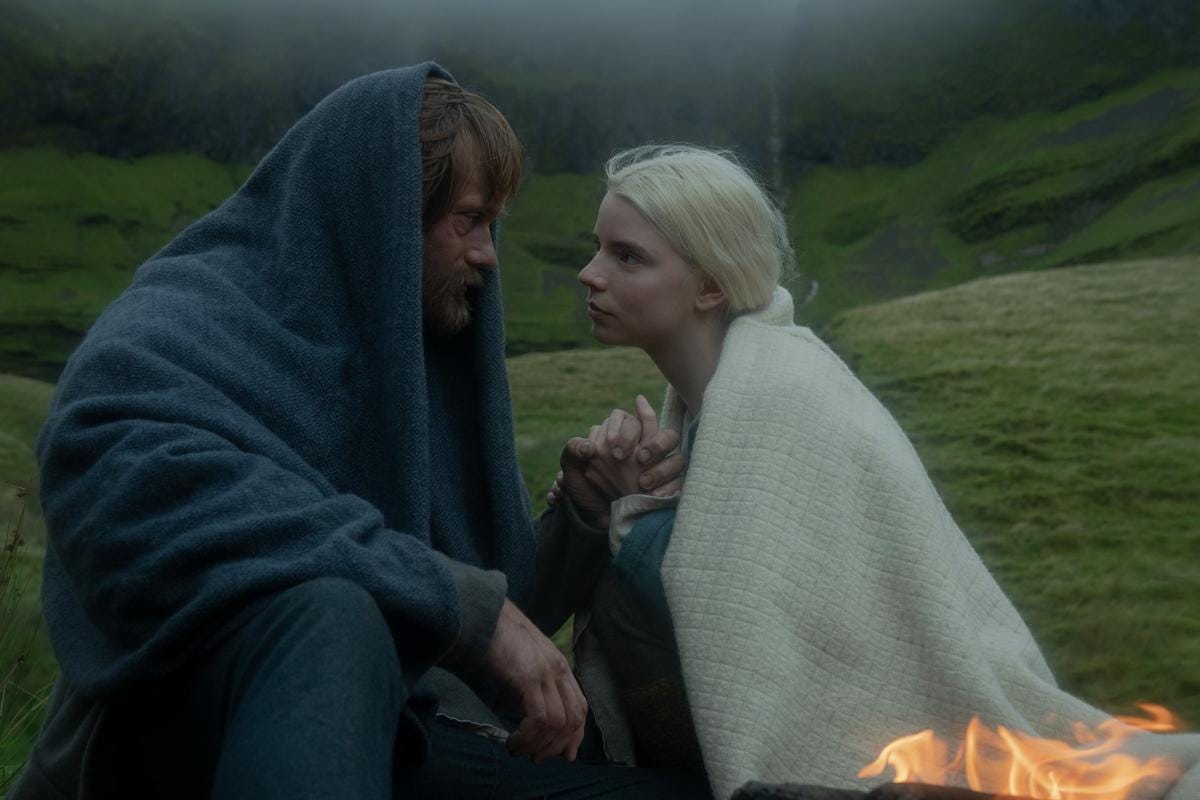
The answer, as I have often written, lies in the careful balancing of historical plausibility and modern relatability. I write modern stories for modern audiences. Therefore, my characters must be relatable to modern audiences. “Never go full Viking,” I’ve said in several Vikingology episodes because, as we saw with the movie The Northman, veering too far into an attempt to make a historical people historical and alien to us alienates audiences.
When it comes to the emotional lives of the historical people in my novels, I tend to give them a more modern emotional profile. But is that historically plausible? Well, if all we can say about the emotional lives of medieval people is that they felt human emotions, same as us—as Professor Sif Ríkharðsdóttir suggested, “on a neurobiological level”—then it stands to reason that even if I’m overlaying certain modern sensibilities onto my characters to make them relatable to people today, I might not be completely off-base.
Writing Medieval Fiction
If you’re a writer struggling to navigate the tension between historical accuracy and narrative resonance, I’ve designed a resource specifically for you. My course on Writing Medieval Fiction will dive into these challenges, providing you with the tools to build worlds that feel authentic and emotionally gripping for a modern audience. I will share how I have delved into the psychological frameworks of Joseph Campbell’s Hero’s Journey, Ernest Becker’s work on death anxiety, and, most importantly, Carl Jung’s archetypes and the process of individuation. By planting the latest in psychology within a meticulously researched medieval world, we can move beyond the “Civilizational Grand Narrative” to craft protagonists with a sophisticated, authentic sense of self and emotion. You can enroll in the workshop below.